It’s Not Too Late: Why Late Summer Is a Great Time to Start Your Outdoor Living Space
How to Keep Salt, Snow, and Ice From Costing You Money Next Spring
Winter doesn't pause your landscape — it works against it. Between road salt, plow blades, and repeated freeze-thaw cycles, the months ahead are hardest on the lawns, plantings, and hardscape you worked all year to build up. A little protection now saves a lot of repair and replacement come spring. Here's what Defining Lines watches for on properties across Southern Maine.
Why Road Salt Is Hard on Lawns, Beds, and Hardscape
Salt keeps roads and walkways safe, but it doesn't stop working once the ice is gone. Salt spray from passing traffic and runoff from melting snow soak into turf and soil along driveways and roadside beds, drawing moisture away from plant roots and leaving behind a residue that can stunt growth well into spring. It's just as hard on hardscape — salt accelerates the freeze-thaw damage that already stresses pavers, concrete, and natural stone, pitting and flaking surfaces over time.
The areas most at risk are the ones you'd expect: lawn strips next to the road, beds along the driveway, and any patio or walkway that gets de-iced directly. Knowing where the exposure is heaviest makes it much easier to protect proactively instead of repairing reactively.
Snow Plow and Shovel Damage: What to Watch For
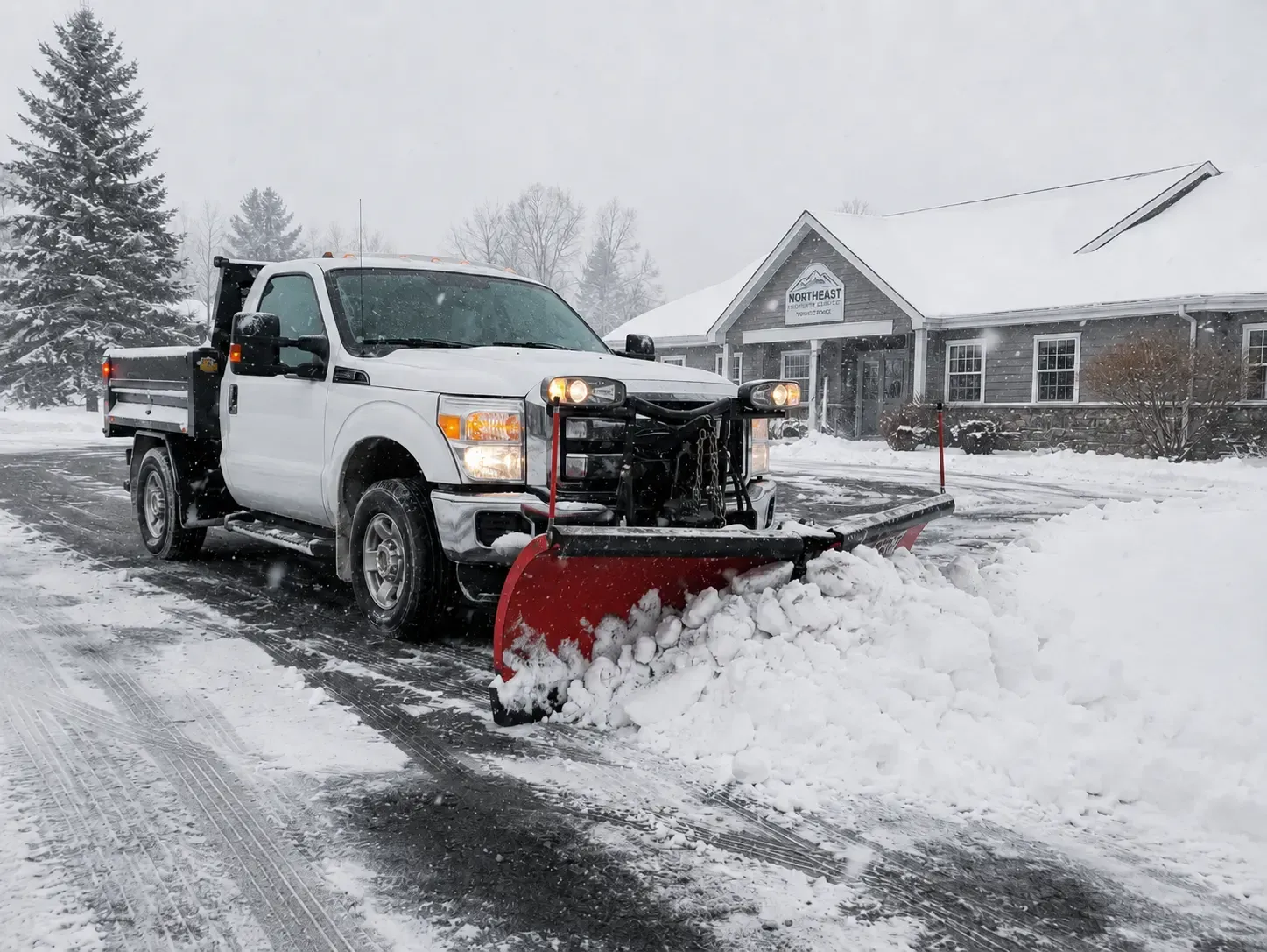
A plow blade doesn't know the difference between pavement and the lawn edge just past it. Every winter, Defining Lines sees the same pattern: scalped turf along driveway edges, broken branches on shrubs planted too close to the plow line, and chipped pavers where a shovel or plow catches a corner. Most of this damage is entirely preventable with a little marking and planning before the first storm.
Reflective driveway markers along the edge of paved surfaces give plow operators (including your own crew, if you're doing it yourself) a clear boundary to work inside. Pruning back branches that hang into the plow path — something we cover in fall cleanup — also goes a long way toward avoiding winter breakage.
Protecting Retaining Walls and Patios From Ice and Salt
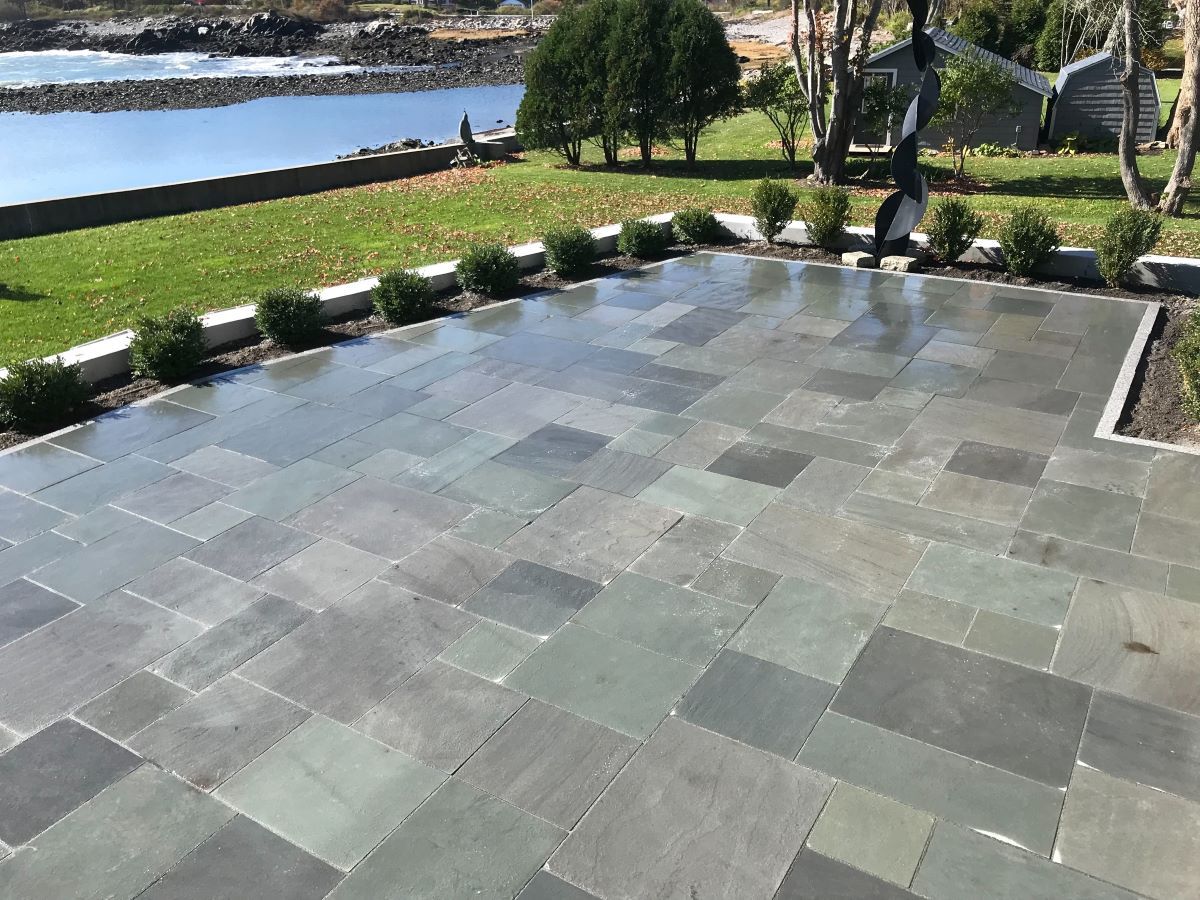
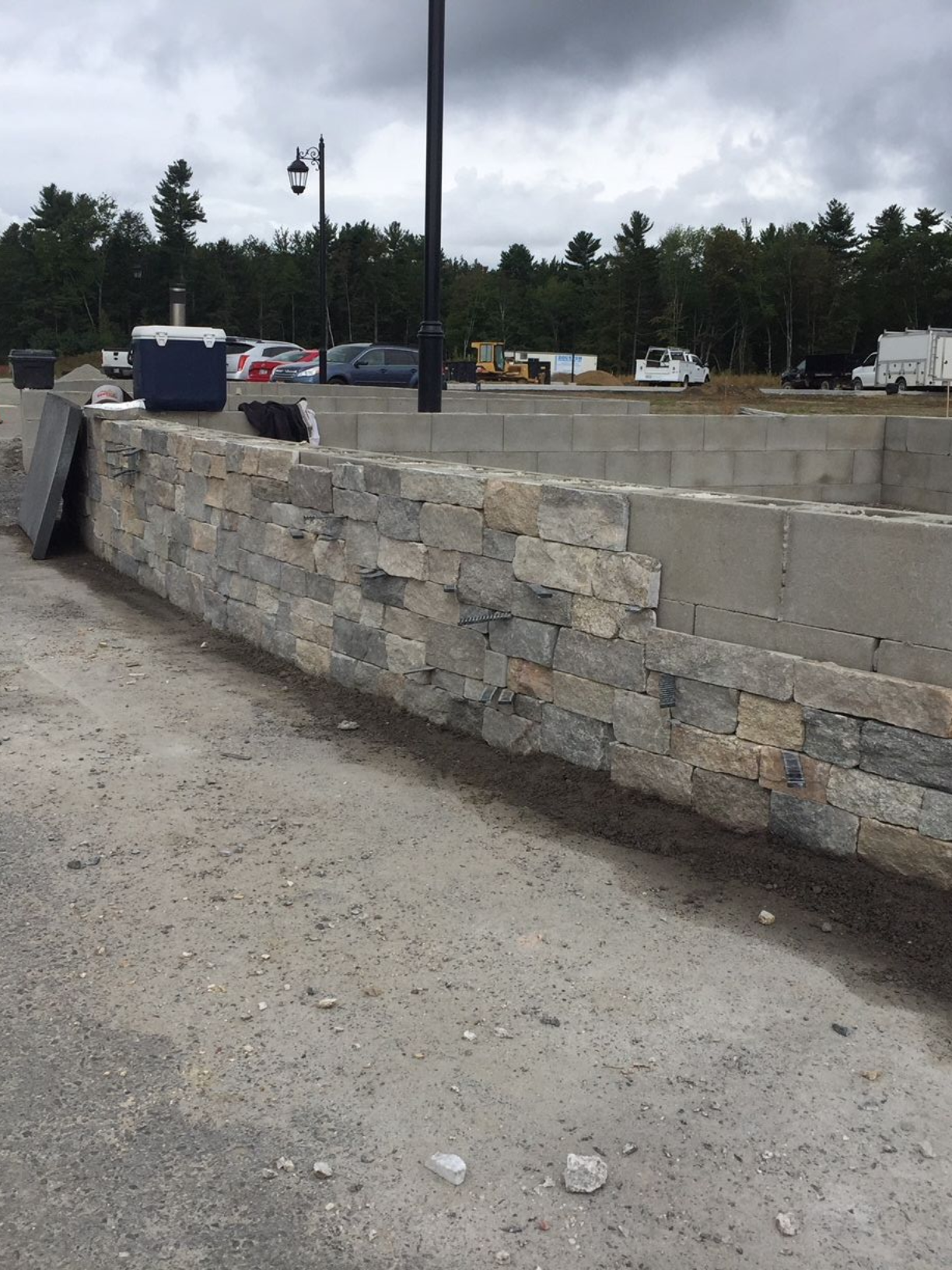
Hardscape takes on more stress in winter than almost any other season. Water that gets into hairline cracks in a patio or retaining wall expands as it freezes, widening the damage a little more with every freeze-thaw cycle — and salt exposure speeds that process up. If a wall or patio was properly sealed and graded when it was built, it's far better equipped to handle the season. Our hardscape design and repair team can check sealing and drainage on existing walls and patios before winter's worst sets in, and proper drainage remains the first line of defense against water finding its way into places it shouldn't.
Simple Steps to Shield Plants and Turf Through the Coldest Months
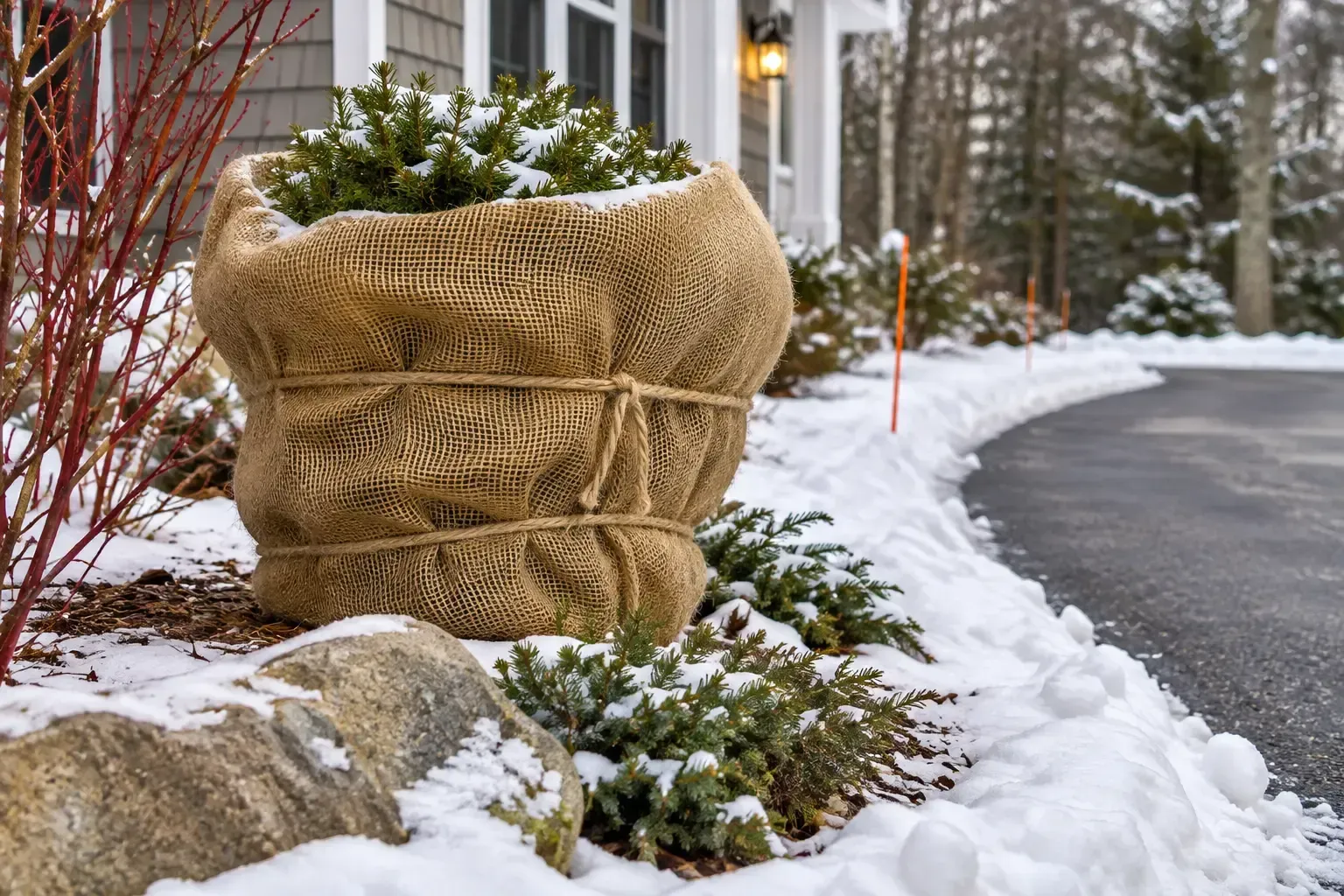
A few low-effort steps make a real difference for plantings near high-traffic winter areas. Burlap wrapping protects evergreens and shrubs near driveways and walkways from both salt spray and wind desiccation. Choosing salt-tolerant plants for beds close to the road pays off for years, not just this winter. And marking bed edges clearly — with stakes, flags, or even a visible mulch line — helps anyone clearing snow avoid running equipment straight through a planting bed.
When to Call in Defining Lines for Winter Property Care
Some winter damage is unavoidable no matter how well you prepare, and some properties — especially commercial sites with heavy plow traffic — need more consistent attention than a homeowner can manage solo. Defining Lines offers property maintenance through the winter months for both residential and commercial clients, catching small issues before they become expensive ones. Contact us to talk through what winter care makes sense for your property.
FAQ
Does road salt really damage lawns and plants?
Yes. Salt draws moisture away from roots and can leave soil less able to support healthy growth, especially in beds and turf close to roads and driveways where salt spray and runoff concentrate.
How can I stop my plow service from damaging my lawn?
Marking pavement edges with reflective driveway markers before the first snowfall is the simplest fix — it gives whoever is plowing a clear line to follow, whether that's a hired service or your own equipment.
Can salt damage to a patio or retaining wall really be prevented?
Proper sealing, grading, and drainage installed at the time of construction — or added during a fall/winter inspection — significantly reduce how much salt and freeze-thaw cycles can damage hardscape surfaces.