It’s Not Too Late: Why Late Summer Is a Great Time to Start Your Outdoor Living Space
Simple Steps Now Save Your Yard — and Your Budget — Next Spring

October is decision time for your landscape. What you do (or don't do) in the next few weeks determines whether you're greeted by healthy turf and thriving beds next April, or a soggy, damaged mess that costs more to fix than it would have to prevent. Here's the fall cleanup checklist Defining Lines runs through with homeowners across Southern Maine.
Clear Leaves and Debris Before They Smother Your Lawn
A thin scattering of leaves is no big deal, but a thick, wet mat left on the lawn all winter blocks sunlight and traps moisture against the grass. Combined with Maine's snow cover, that's a recipe for snow mold and dead patches come spring. Regular removal — whether by raking, mulching mowing, or a scheduled cleanup visit — keeps your lawn breathing right up until the snow flies.
Don't forget gutters and low spots in the yard, either. Debris that piles up there does double duty: smothering grass and clogging the drainage paths water needs once the ground starts freezing and thawing.
Prune Trees and Shrubs While They're Dormant
Once trees and shrubs drop their leaves and go dormant, it's actually one of the best times to prune. You can see the plant's structure clearly, cuts heal cleanly without the stress of active growth, and you're removing dead or weak branches before winter snow and ice loads test them. A branch that might have snapped under a heavy March snowfall is one less thing to worry about if it's already been removed in October.
This is also a good window to shape shrubs near walkways, driveways, and hardscapes — cutting back anything that could get buried or damaged once plowing and shoveling start.
Protect New Plantings and Perennial Beds
If you added plantings this year, they need a little extra help getting through their first Maine winter. A fresh layer of mulch insulates root systems against the freeze-thaw cycles that can heave shallow-rooted plants right out of the ground. Give beds a deep watering before the ground freezes, since plants head into winter better hydrated than they head out of a dry fall.
Perennials that have died back can be cut down to a few inches, while anything you're unsure about is safer left standing until spring — some seed heads and stems even provide winter interest and habitat.
Check Drainage and Gutters Before the Rain Turns to Snow
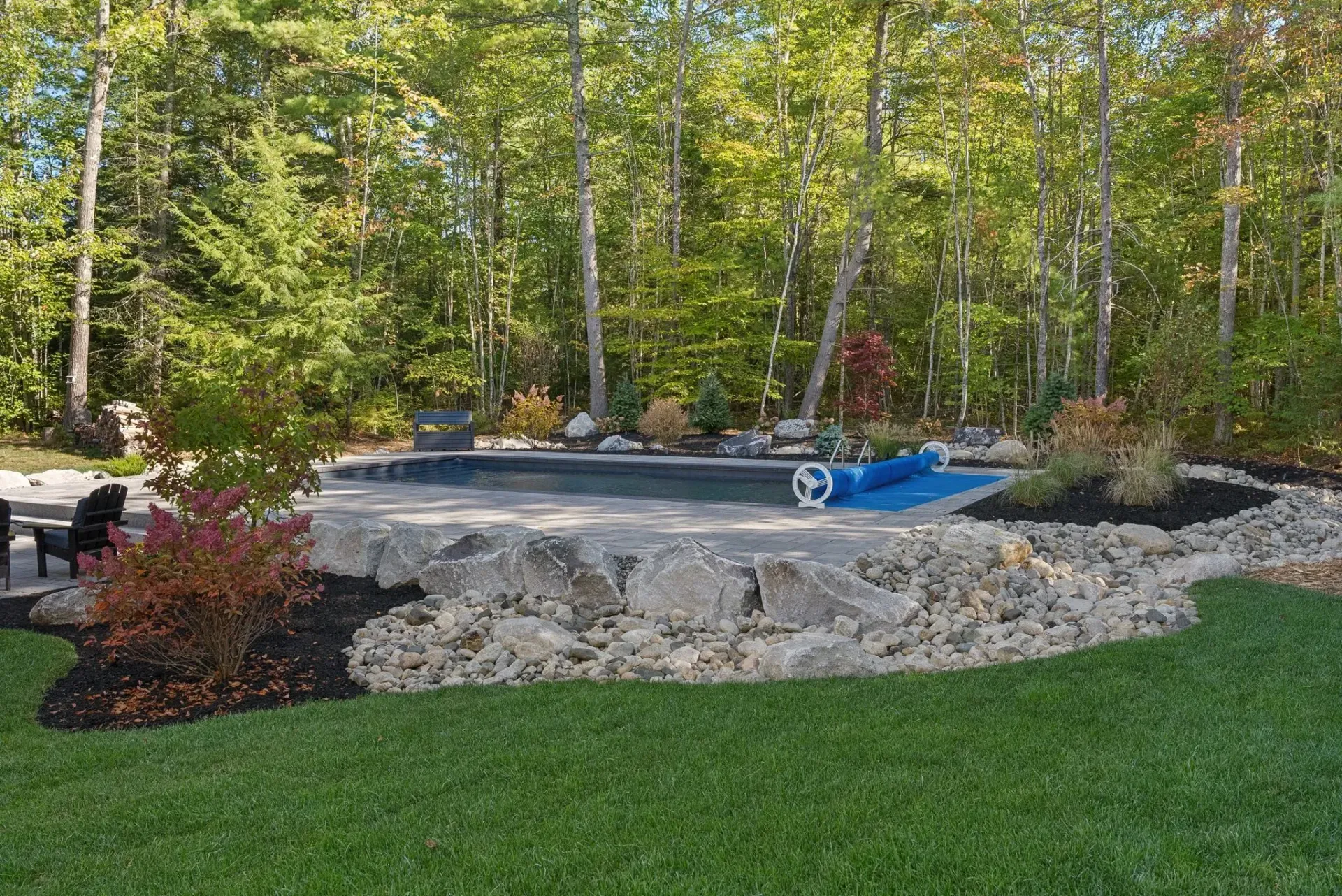
Fall is the last real chance to catch drainage problems while you can still dig, regrade, or adjust downspouts. A low spot that pools water in October will ice over in December, and standing water against a foundation or hardscape only gets worse once it's frozen solid. If you've noticed soggy patches or water pooling near your patio or walkway after fall rains, it's worth having it looked at now. Explore our drainage solutions before winter locks everything in place.
Give Hardscapes a Final Once-Over
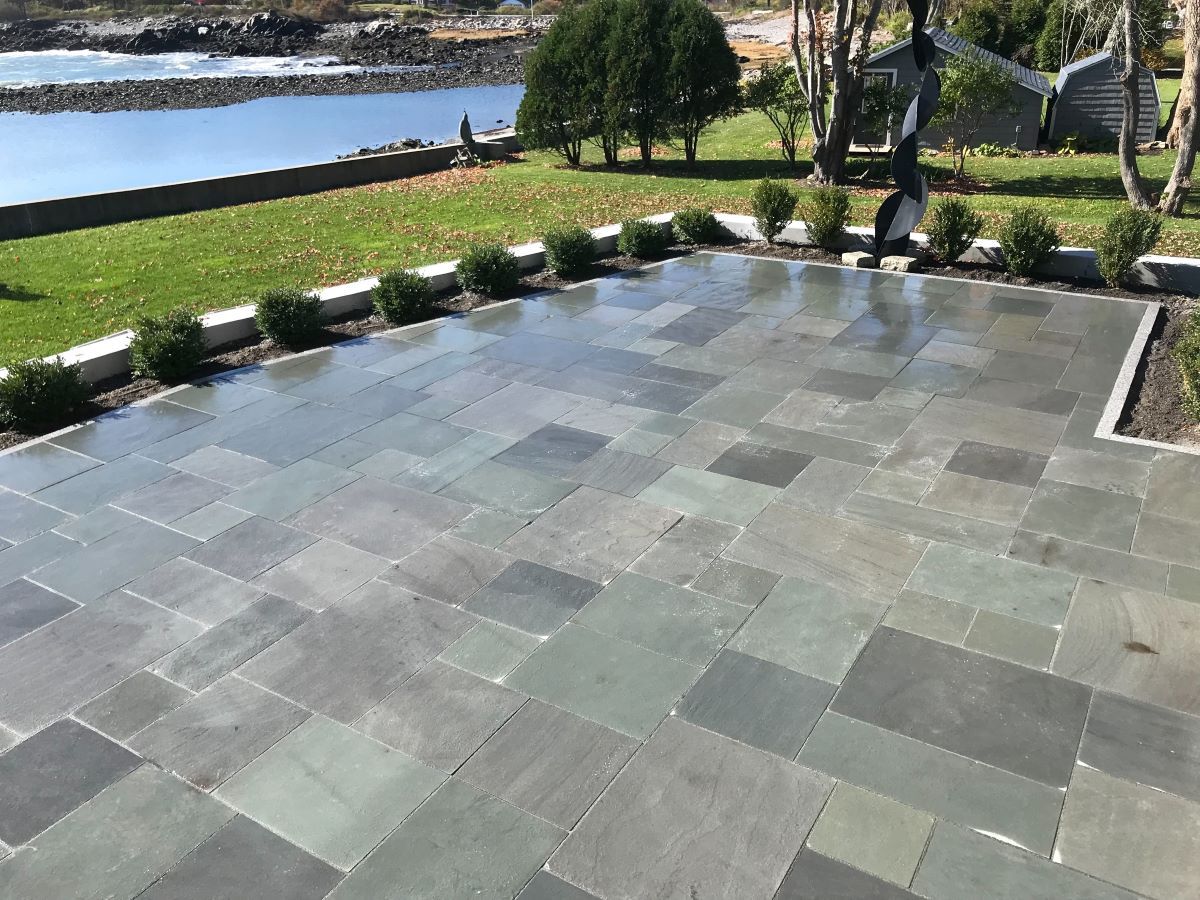
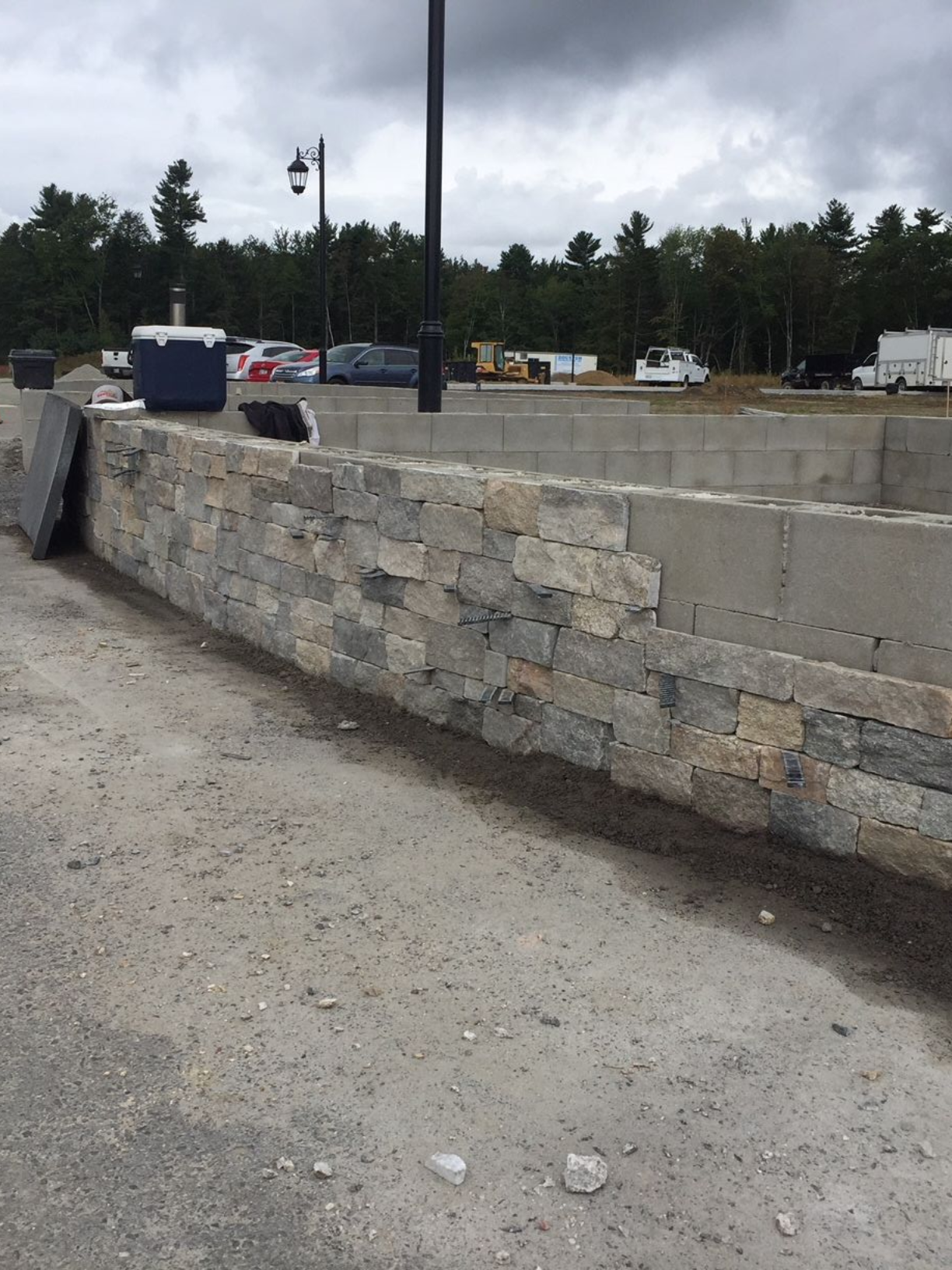
Patios, walkways, and retaining walls also benefit from a fall inspection. Sealing pavers or natural stone before winter helps protect against salt and moisture damage, and catching a small crack or shifted paver now is far easier than dealing with it after a winter of freeze-thaw cycles has made it worse. Our hardscape design and repair team can take a look during your fall visit.
Schedule Your Fall Cleanup with Defining Lines
Between leaves, pruning, drainage, and hardscape checks, fall cleanup is a lot to tackle solo — especially with a shrinking window before winter weather arrives. Defining Lines handles the full checklist in one visit for homeowners across Southern Maine. Contact us to schedule your fall cleanup before the calendar runs out.
FAQ
When should I schedule fall cleanup in Southern Maine?
Ideally after most leaves have dropped but before the first hard freeze — typically mid-October through mid-November, depending on the year.
Should I cut back all my perennials in the fall?
Not necessarily. Some perennials benefit from being cut back, while others provide winter interest or habitat and are best left until spring. A cleanup visit can help sort out which is which for your specific beds.
Does fall cleanup really affect my lawn in the spring?
Yes. Leaves and debris left on turf over winter are one of the most common causes of snow mold and dead patches that show up as soon as the snow melts.