It’s Not Too Late: Why Late Summer Is a Great Time to Start Your Outdoor Living Space
Get Your Hardscape Project Finished Before the Ground Freezes
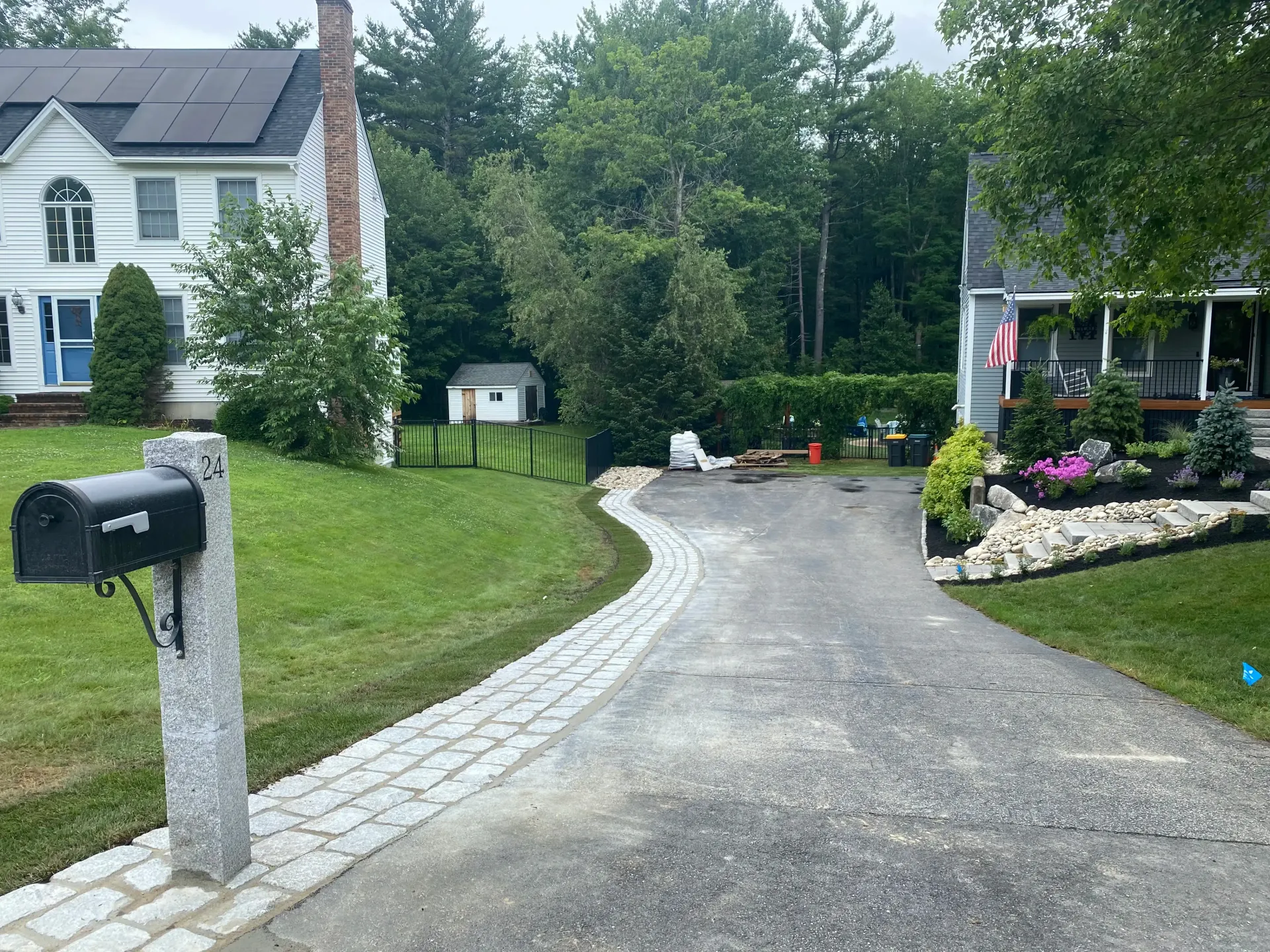
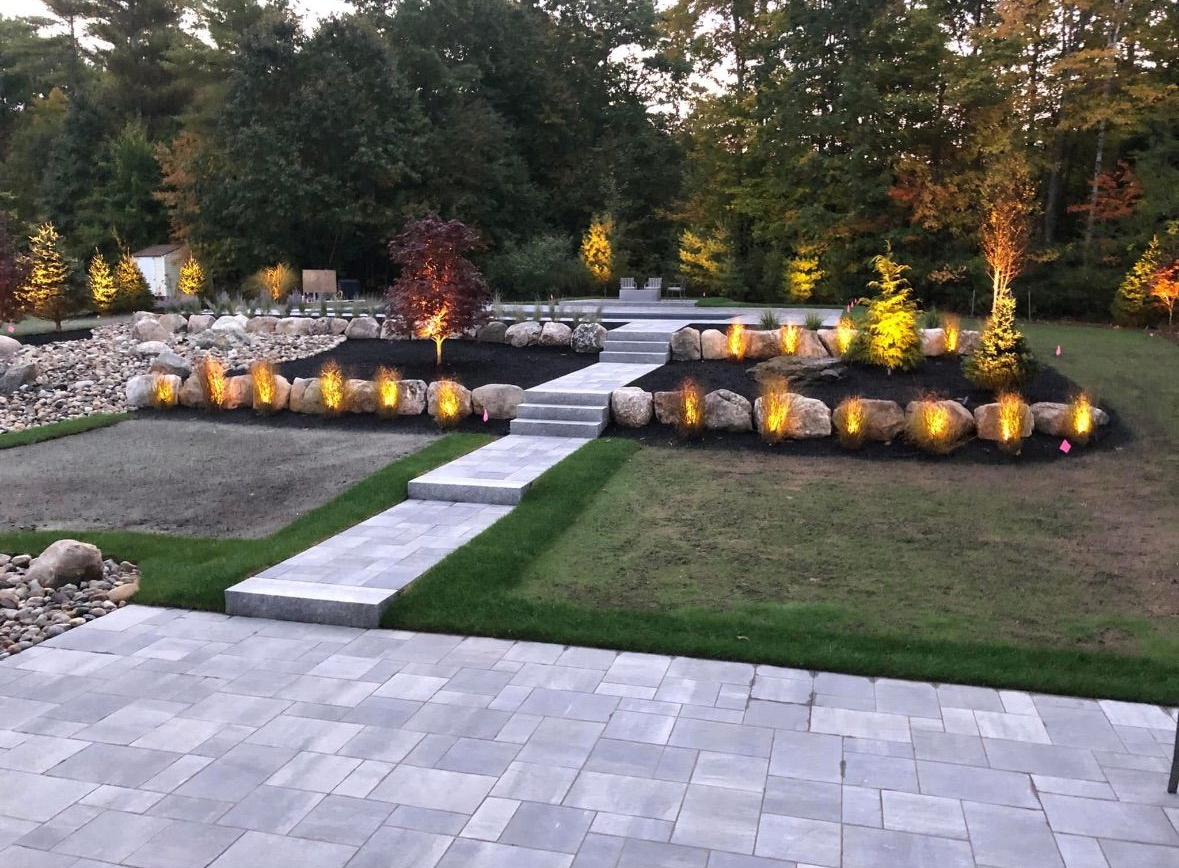
If you've been dreaming about a new patio, walkway, or retaining wall all summer, don't let the calendar talk you out of it. Fall is quietly one of the best seasons to build in Southern Maine — the weather cooperates, the crews aren't stretched thin, and there's still time to get your project done and settled in before winter sets in. Here's why Defining Lines encourages homeowners to book their hardscape work now, not next spring.
Why Fall Weather Gives Hardscaping the Edge
September and October in Scarborough and the surrounding towns bring some of the most workable conditions of the year. The soil has had all summer to dry out, which means excavation and base compaction go smoothly instead of fighting through mud. Cooler daytime temperatures are easier on both crews and materials — concrete cures more predictably, and paver joints set without the rapid moisture loss that summer heat can cause.
Fall also tends to bring more consistent, lower-intensity rainfall than spring's saturated ground, so there's less risk of a project stalling out for days waiting on things to dry. In short, the ground is cooperative, the air is comfortable, and the work simply moves faster.
Avoiding the Spring Rush: Lock In Your Project Now
Every homeowner in Southern Maine seems to want the same thing on the same timeline: a finished patio by Memorial Day. That means spring is Defining Lines' busiest — and most backed-up — season. Projects booked in March or April often don't break ground until June, and by then you've missed a chunk of the very season you were building for.
Scheduling your patio, walkway, or retaining wall this fall means you're working with a more open calendar. You get more flexibility on start dates, more time for design conversations, and a project that's already complete and cured by the time spring arrives — so you're entertaining on it, not waiting on it.
Frost Heave and Why Timing Matters for Retaining Walls
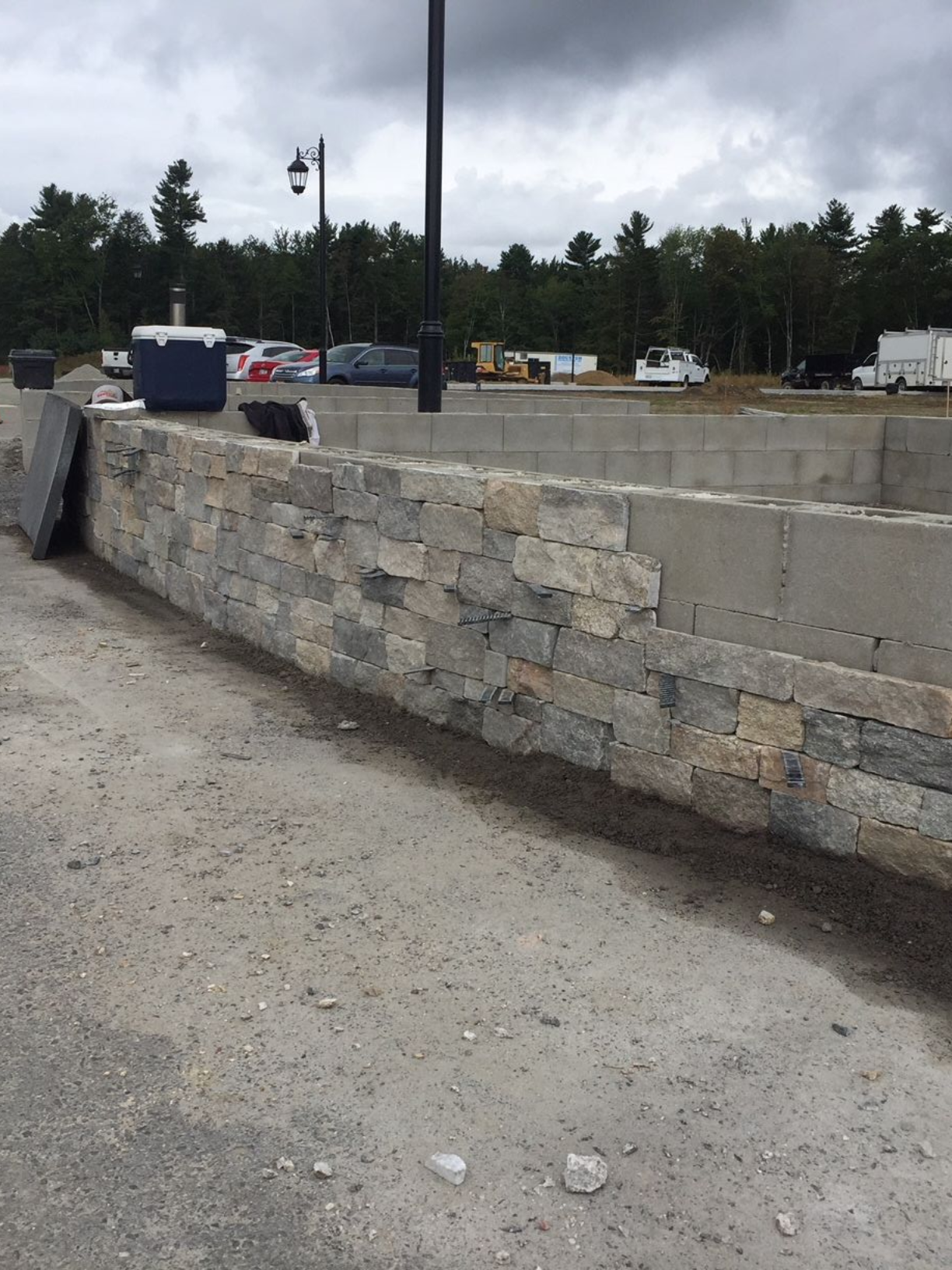
Retaining walls are especially time-sensitive. A wall built without proper base preparation and drainage before the ground freezes is vulnerable to frost heave—the seasonal expansion and contraction that happens as moisture in the soil freezes and thaws. Over a few winters, that movement can crack mortar joints, shift caps, and throw an entire wall out of alignment.
Building in fall gives a wall time to settle on a properly compacted base with drainage in place before that first hard freeze, rather than racing against an early-season cold snap. It's the difference between a wall that holds its line for decades and one that needs attention every spring. Learn more about our retaining wall installations and how we grade and drain every wall we build.
What a Fall Hardscape Installation Looks Like
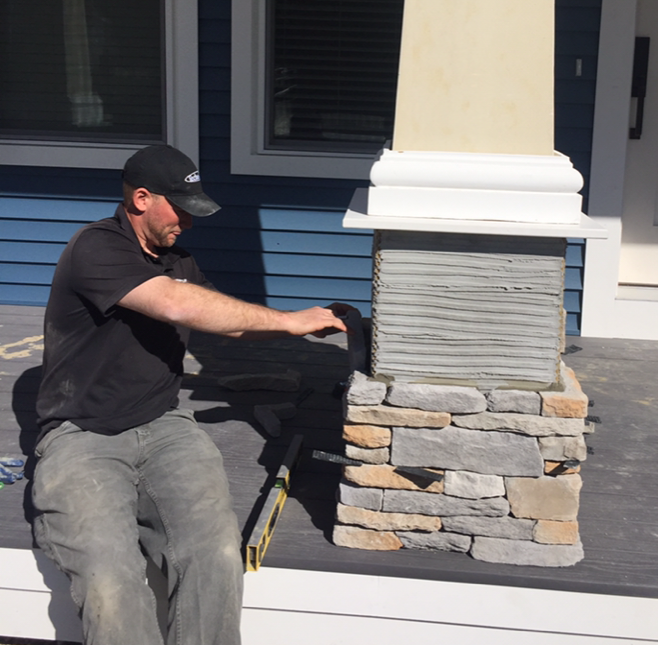
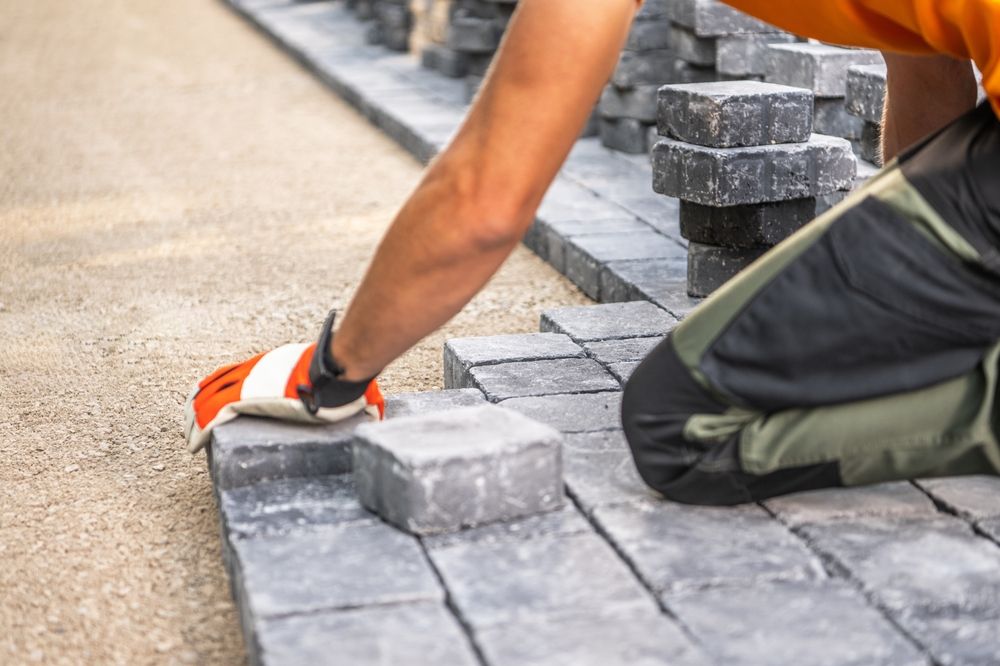
A typical fall project with Defining Lines starts with a design conversation and site visit, where we talk through materials, layout, and how the space will actually be used. From there, our crews handle excavation, base preparation, and — critically — drainage so water has somewhere to go long after the leaves are gone. Then comes the paver, patio, or wall installation itself, finished with proper compaction and edge restraints so everything stays put through the winter and into spring.
Because Southern Maine's frost line runs deep, we build every project with that in mind from the base up — not just the finished surface you'll see.
Getting Started with Defining Lines Before Winter
The installation window for hardscaping closes once the ground freezes solid, and that date creeps earlier every year it seems. If a new patio, walkway, or retaining wall has been on your list, now is the time to reach out. Contact Defining Lines for a fall consultation and let's get your project designed, scheduled, and finished before winter — so you're not starting from scratch again come spring.
FAQ
How late in the fall can hardscape installation happen in Maine?
It depends on the weather each year, but projects generally need to be underway before the ground freezes solid—typically by mid-to-late November in Southern Maine. Booking in September or October gives the most flexibility.
Will a fall-installed patio be ready to use by spring?
Yes. In most cases, a patio or walkway installed in fall has fully cured and settled by the time warm weather returns, so it's ready for immediate use — no waiting on fresh installation.
Does cold weather affect the quality of the installation?
Not when it's planned for. Defining Lines adjusts material curing times and base preparation for cooler fall temperatures, and we won't schedule work when conditions would compromise the finished product.